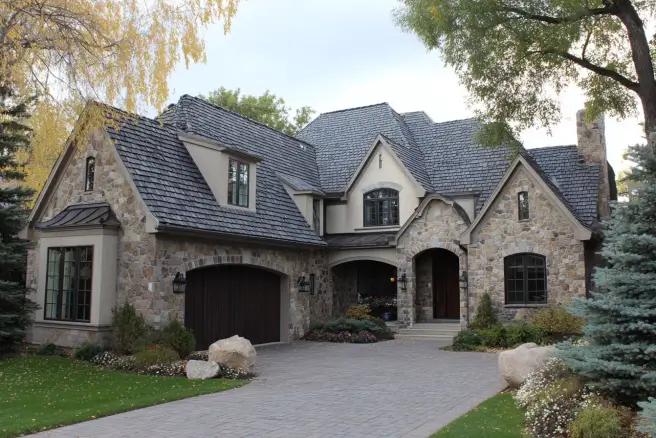
A roof is one of the most critical components of any building, providing essential protection from the elements while enhancing structural integrity. Installing a new roof is a complex process that requires meticulous planning and execution to ensure durability and functionality. Below is a comprehensive step-by-step breakdown of the roofing installation process to help you understand what goes into this important task.
Before any work begins, a thorough inspection of the existing roof or structure is conducted.
– Examining for Damage:Identifying leaks, rot, or structural issues.
– Measuring Dimensions:Determining accurate measurements to calculate material needs and costs.
– Assessing Load-Bearing Capacity:Ensuring the structure can handle the weight of new materials.
Selecting the right roofing material is crucial for achieving durability, weather resistance, and aesthetic appeal.
– Asphalt Shingles:Affordable and widely used for residential properties.
– Metal Roofs:Long-lasting and energy-efficient but often more expensive upfront.
– Clay or Concrete Tiles:Known for their durability in hot climates but heavier than other materials.
– Slate Roofs:Elegant yet costly, with exceptional longevity.
Factors such as climate, budget, and design preferences influence material choice.
Safety and organization are top priorities during preparation:
– Removing old roofing materials (if applicable).
– Cleaning up debris to create a clear workspace. – Covering landscaping or nearby areas to prevent damage from falling debris.
Proper preparation ensures efficiency and minimizes hazards during installation.
The underlayment acts as an additional layer of protection beneath the main roofing material: – A waterproof barrier helps prevent leaks caused by rain or snow. – Underlayment types typically include felt paper or synthetic options. This step ensures extra defense against moisture-related issues.
Flashing plays an essential role in directing water away from vulnerable areas such as chimneys, vents, valleys, or skylights: – Metal flashing is commonly used due to its resilience. Proper flashing reduces potential leakage points on your roof.
| Material Type | Installation Characteristics | Lifespan |
| Asphalt Shingles | Installed in overlapping rows with nails or adhesives | 20–30 years |
| Metal Panels | Secured with screws; requires precision cuts | 40–70 years |
| Clay/Concrete Tiles | Individually placed; heavy-duty structural support needed | 50+ years |
Correct alignment ensures both functionality and visual appeal.
Ridge caps protect seams along peaks while maintaining ventilation: Proper airflow reduces attic condensation risks while extending roof lifespan ensuring regulated temperature cycles underneath overall structure longterm
Why Hiring a Minneapolis Roofer Is Always Worth the Investment
Hiring a professional roofer for your roofing needs is an investment that ensures quality, safety, and long-term value. While it may be tempting to cut costs by attempting a DIY approach or hiring someone without the right experience, there are several reasons why working with a skilled and licensed roofing professional is the smarter choice.
Expertise and Experience
Professional roofers bring years of training and on-the-job experience to every project. Their expertise allows them to handle complex roofing issues that may be difficult for an untrained individual to identify or resolve.
- Precision Workmanship: Professionals ensure proper installation techniques are followed to prevent future problems such as leaks or structural damage.
- Knowledge of Materials: They understand which roofing materials work best for your home based on factors like climate, design, and budget.
- Problem Diagnosis: A trained roofer can spot potential issues such as mold, rot, or underlying structural damage before they become costly repairs.
Safety Considerations
Roofing work comes with inherent risks, particularly when it involves heights or heavy materials.
- Proper Safety Gear: Harnesses, helmets, and other protective equipment minimize the likelihood of accidents.
- Training in Fall Prevention: Certified roofers are trained in techniques that reduce the risk of falls during installation or repair tasks.
Attempting a roofing job yourself could not only result in injuries but also compromise the structural integrity of your roof due to improper handling of materials or tools. Professionals prioritize both personal safety and building standards throughout their work process.
Long-Term Cost Savings
Although hiring a professional roofer may seem expensive upfront, it often saves you money over time by preventing costly mistakes associated with DIY installations or subpar workmanship from inexperienced contractors.
| Potential Risks if Not Hiring a Pro | Cost Implications |
| Improper installation methods | Expensive future repairs due to leaks/damage |
| Using low-quality materials | Reduced lifespan of your roof |
| Legal issues from code violations | Fines or forced reinstallation |
Investing in professional services ensures your roof is installed correctly the first time, providing years of reliable performance without frequent repairs.
Warranty Benefits
Reputable roofing companies offer warranties on both labor and materials used during installation or repair projects. These warranties act as added protection against unexpected issues down the road. Without expert involvement, you’ll likely forfeit these valuable assurances since most manufacturers won’t honor warranties on improperly installed products.
Customized Solutions for Your Property
A professional roofer takes into account specific aspects of your property — from its architectural style to its exposure to environmental elements — ensuring you get tailored solutions designed to maximize efficiency and curb appeal.
When Minneapolis MN Roof Replacement Is Worth It
Here are scenarios where hiring a professional is essential: – Installing complex roofs (e. g. , those with multiple slopes or intricate designs). – Dealing with storm damage requiring insurance claims. – Replacing outdated systems for energy efficiency upgrades.
Investing in professionals guarantees not just aesthetic appeal but also long-lasting durability backed by skillful expertise—something truly worth every penny spent upfront compared to avoidable regret later down the line.
Why Hiring a Minneapolis MN Roofing Contractor Is Always Worth the Investment
Hiring a professional roofer is an essential decision when it comes to maintaining, repairing, or replacing your roof. While the idea of saving money by attempting a DIY project might sound appealing, the expertise and long-term benefits offered by professional roofing contractors far outweigh the upfront investment. Here’s why choosing a professional roofer is always worth it.
Expert Minneapolis MN Roof Repair for Your Safety and Peace of Mind
Roofing can be dangerous work, especially for those without proper training or equipment. Professional roofers, like Minneapolis Roofing Experts are trained to handle these risks safely and efficiently.
- Access to Safety Equipment: Professional roofers use industry-grade safety gear such as harnesses, anchors, and protective equipment to minimize risks during installation or repairs.
- Experience with Complex Roofs: Professionals can handle various roof designs, including steep slopes or intricate angles that require specialized techniques.
- Knowledge of Building Codes: Roofing professionals are familiar with local building codes and regulations to ensure your project complies with all legal requirements.
Expert Minneapolis MN Roof Installation with Quality Materials and Workmanship
A professional roofer has access to high-quality materials that may not be available at local hardware stores. Additionally, their workmanship often comes backed with warranties that guarantee durability.
- Premium Materials: Professionals source materials designed to withstand harsh weather conditions and increase your roof’s longevity.
- Warranty Options: Many roofing companies provide warranties for both labor and materials, offering you peace of mind in case an issue arises post-installation.
- Precise Installation Techniques: Years of experience equip professionals with advanced skills for seamless installation, which minimizes risks like leaks or structural damage.
Cost Effectiveness Over Time
While DIY installations may seem cheaper initially, errors can lead to costly repairs down the line. A professionally installed roof saves money over time due to its longer lifespan and fewer issues.
| Aspect | DIY Roofing | Professional Roofing |
| Upfront Costs | Lower | Higher |
| Long-term Maintenance | Frequent repairs needed | Minimal maintenance required |
| Material Quality | Standard | Premium |
| Warranty | None | Often included |
Efficient Project Completion
Roofing projects can be time-consuming when handled by inexperienced individuals. Hiring a professional ensures timely completion while maintaining high standards of quality.
- A team of skilled workers allows for faster progress on large-scale installations or repairs.
- Professionals identify potential issues early in the process, reducing delays caused by unforeseen complications.
Increased Property Value
- Well-maintained roofs make homes more attractive to buyers.
- Prospective buyers value warranties offered by roofing companies.
By hiring a professional roofer, you’re not just paying for labor—you’re investing in lasting quality, safety, and peace of mind for years ahead.
How to Identify When It’s Time for a New Roof Installation
A well-maintained roof is one of the most critical components of any home, providing protection against the elements and contributing to overall structural integrity. However, even the most durable roofs have a lifespan, and identifying when it’s time for a replacement can save homeowners from costly repairs or potential damage. Below are key signs to help you determine if your roof might need a new installation.
One of the easiest ways to assess your roof’s condition is by inspecting it for visible damage.
– Cracked or Missing Shingles: This is especially common with asphalt roofs as they age and weather poorly over time.
– Shingle Granule Loss: As shingles deteriorate, they lose granules, often seen in gutters or rain runoff.
– Warped or Curling Shingles: These are signs of aging roofing materials that no longer provide adequate protection.
Water stains on walls and ceilings are clear indicators that your roof may be compromised.
– Persistent leaks during rainfall. – Mold or mildew growth in attics or along walls. – Peeling paint, which often points to trapped moisture caused by leaks.
If left unaddressed, water issues can lead to structural damage and more extensive repairs.
Knowing the age of your roof can help you anticipate when replacement might be necessary.
| Roofing Material | Average Lifespan |
| Asphalt Shingles | 20–30 years |
| Wood Shake | 20–25 years |
| Metal Roofing | 40–70 years |
| Tile (Clay/Concrete) | 50+ years |
If your roof is nearing the end of its projected life span, it’s wise to schedule an inspection with a professional roofer.
A sagging roof often indicates underlying structural problems such as rotting beams or foundational issues within attic spaces. This issue requires immediate attention because it could lead to dangerous collapses if not addressed promptly.
An aging or damaged roof may compromise insulation efficiency, leading to higher energy costs as heating and cooling systems work harder to maintain indoor temperatures.
Benefits of Acting Early on Roof Replacement
Addressing roofing problems early ensures long-term savings and peace of mind for homeowners: – Reduced Repair Costs: Delaying replacement often leads to escalating repair bills.Enhanced Curb Appeal: A new roof can significantly improve your home’s overall aesthetics.Improved Resale Value: A modernized roofing system is an attractive feature for potential buyers. Greater Energy Efficiency: New roofing materials provide superior insulation technology compared to older systems.
By identifying these signs sooner rather than later, homeowners can avoid emergency situations while benefiting from a safe and efficient home environment that lasts for decades.
FAQs Answered About the Complete Roofing Installation Process
When it comes to roofing installation, many homeowners have questions about what the process entails, how long it takes, and what to expect during each step. Below, we answer some of the most frequently asked questions to help you better understand the roofing installation process and make informed decisions for your home.
What Are the Key Steps in a Roofing Installation?
The roofing installation process involves several stages to ensure a durable and long-lasting result.
- A professional roofer will evaluate your current roof’s condition, identify damage areas, and take note of any structural issues that may need addressing before installation begins.
- The existing roofing material is carefully removed to expose the roof decking underneath.
- Any damaged or rotten decking is replaced to create a solid foundation for your new roof.
- A water-resistant underlayment is installed over the decking to provide an additional layer of protection against moisture.
- Flashing is added around critical areas such as chimneys, vents, and valleys for enhanced water resistance.
- Shingles, tiles, or other chosen materials are installed according to manufacturer guidelines.
- This phase often includes precise placement for proper alignment and maximum longevity.
- Ridge caps are added for extra durability at roof peaks.
- The job site is thoroughly cleaned up, ensuring no nails or debris are left behind.
How Long Does It Typically Take To Install a New Roof?
The length of time needed depends on factors like roof size, complexity, weather conditions, and material type:
– Small residential roofs: 1-2 days on average
– Larger or more complex roofs: 3-5 days (or longer if extensive repairs are required)
Material-specific timelines can also vary:
| Material Type | Installation Timeframe | |———————|————————| | Asphalt Shingles | 1-2 days | | Metal Roofing | 2-4 days | | Clay/Concrete Tiles | 3-7 days |
What Should Homeowners Do To Prepare For Roof Installation?
Before work begins on your roof replacement or installation project: – Remove fragile items from walls or ceilings inside your home since vibrations may displace them. – Clear outdoor spaces around your property (e. g. , patios or driveways) so contractors can have easy access. – Discuss safety plans with your contractor if you have children or pets.
Are There Any Warranties Provided With New Roofs?
Most professional roofing companies offer warranties that cover both materials and workmanship: 1. Manufacturer warranties typically cover defects in materials (e. g. , shingles) for 10–50 years. 2. Contractor workmanship warranties range from one year to several years depending on the company’s policy.
Be sure to review warranty terms carefully with your contractor before proceeding with installation.
Proper planning paired with thorough communication between you and your roofer ensures smooth execution from start to finish during any roofing project.
FAQs Answered About the Complete Roofing Installation Process
When planning for a roofing installation, homeowners often have a range of questions about the process, costs, and expectations. Below is a detailed breakdown of frequently asked questions (FAQs) to help you navigate this critical home improvement project.
What Are the Key Steps in the Roofing Installation Process?
The roofing installation process follows a systematic approach to ensure durability and quality.
- A professional roofer will inspect your current roof and determine if repairs or replacement are necessary.
- Measurement of roof dimensions for materials estimation.
- Homeowners choose appropriate roofing materials like asphalt shingles, metal sheets, slate tiles, or wood shakes.
- Consider factors such as climate, budget, and aesthetic preferences.
- Removal of old roofing materials down to the decking layer.
- Debris is cleaned up to maintain safety and efficiency.
- Roof decking is inspected for rot or damage and repaired if needed.
- Installation of an underlayment (e. g. , waterproof membrane) to provide an extra layer of protection.
- Shingles or other selected materials are installed beginning at the base of the roof and working upwards.
- Flashing protects vulnerable areas such as chimneys, vents, or valleys from water penetration.
- Proper ventilation systems are installed to prolong roof lifespan by preventing moisture buildup.
- A final assessment ensures everything meets quality standards.
- Disposal of waste materials leaves your property clean and tidy.
- 1–3 days, depending on:
- Weather conditions.
- The complexity of your roof design.
- Type of materials being used (e. g. , asphalt shingles vs slate).
Larger homes with more intricate designs may require additional time for proper completion.
What Factors Affect Roofing Costs?
| Factor | Details | Estimated Impact |
| Roof Size | Larger roofs require more labor & materials | High |
| Material Choice | Asphalt shingles are cheaper than metal tiles | Medium-High |
| Roof Pitch | Steeper roofs increase labor difficulty | Medium |
| Regional Labor Rates | Costs vary by location | Low-Medium |
It’s recommended to obtain multiple quotes from qualified contractors for accurate pricing comparisons.
Can I Install a Roof During Winter?
- Cold temperatures can make certain materials brittle (e. g. , asphalt shingles).
- Adhesive-based products might not seal properly in cold weather unless heated during application.
- Snowfall or ice can delay progress or pose safety concerns for workers.
If possible, schedule installation during milder weather conditions like spring or fall for optimal results.
Should I Stay Home During Installation?
While staying home isn’t necessarily required, it’s helpful to be available in case contractors need access to interior spaces (e. g. , attic). Keep in mind that roofing work involves noise which could disrupt daily activities if you’re present during construction hours.
By addressing these common questions about roofing installation processes, homeowners can feel confident making informed decisions that ensure long-term satisfaction with their new investment.
- Step-by-Step Comprehensive Breakdown from a Minneapolis MN Roofing Contractor
- 10 Essential Points to Know Before Hiring a Minneapolis Roofer for Your New Roof Installation
- Effective Tips from a Minneapolis MN Roofing Contractor to Identify and Repair a Leaky Roof
- Step-by-Step Guide for Homeowners: Tips from a Minneapolis Roofer on Installing a Metal Roof
- Tips to Keep in Mind When Choosing the Right Minneapolis MN Roofing Contractor for Your Home
- Expert Guide for Hiring a Minneapolis MN Roofing Contractor and Installing Roof Shingles
- Finding a Minneapolis Roofer: How to Fix a Roof Leak in 7 Easy Steps